
Restaurant Data API

Scope restaurant data API access before your team depends on the feed.

MenuInformatics data API review helps restaurant groups, procurement teams, and data operators confirm coverage, taxonomy, export shape, delivery cadence, governance, and source evidence before a subscription rollout becomes an implementation project.

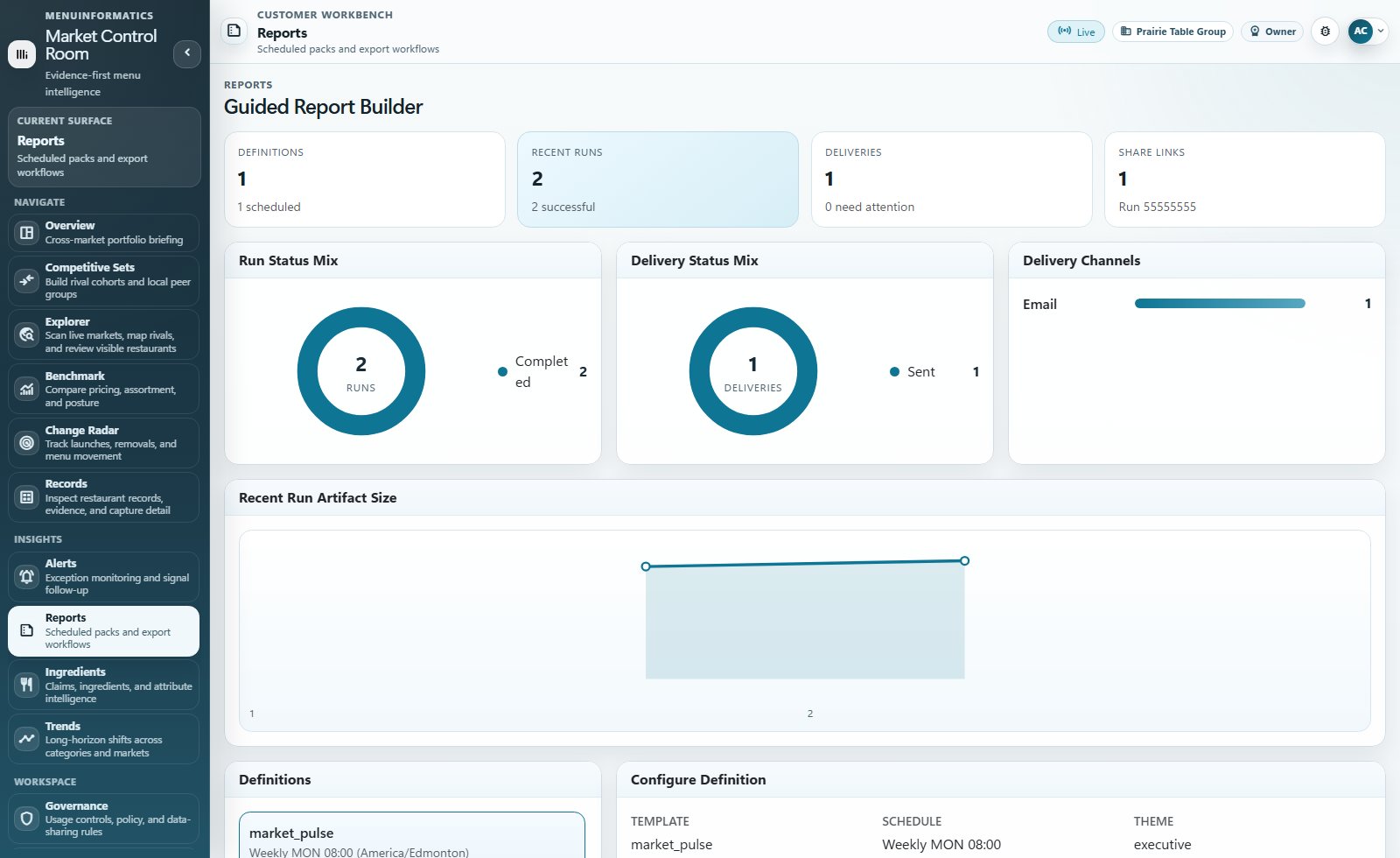
MenuInformatics reporting and export workspace preview
API Readiness Path

Data access becomes useful when coverage, schema, cadence, and governance are reviewed together.

API and export buyers need to know what will be delivered, how often it changes, how fields should be interpreted, who owns exceptions, and which evidence supports the data before downstream teams start building around it.

Buyer question: Can this restaurant data feed support our workflow without hidden coverage, taxonomy, or governance risk?
Data API outcome: A scoped API or export review with coverage, schema, cadence, governance, and subscription handoff attached.
Coverage Scope

Confirm the restaurants, markets, and fields your API workflow needs first.

Enterprise buyers should know whether the feed covers the chains, independent operators, locations, menu pages, and evidence fields that matter before implementation starts.

  • Priority markets, chains, brands, locations, and competitor groups named before the API scope is approved.
  • Menu, price, offer, source, evidence timestamp, and location fields reviewed against the buyer workflow.
  • Coverage gaps are separated from implementation questions so procurement can decide the first subscription scope.
Taxonomy And Schema

Review taxonomy, schema, and export fields before downstream teams depend on them.

A useful API handoff starts with field meaning, category mapping, item identity, modifiers, prices, evidence, and change semantics clearly defined.

  • Category, item, modifier, price, offer, claim, and location fields mapped to the buyer taxonomy.
  • Export shape, stable identifiers, freshness markers, and evidence links reviewed before automation.
  • Schema questions are captured in subscription setup instead of becoming hidden onboarding work.
Delivery Workflow

Scope delivery cadence, exports, and operational handoff around the decision cycle.

API access should match how operators review markets, not just how a file can be delivered. Cadence, filters, owners, and exceptions need to be explicit.

  • Daily, weekly, monthly, or event-driven delivery expectations matched to the team's review rhythm.
  • Saved views, CSV exports, report outputs, and API access separated by stakeholder and use case.
  • Support, retry, freshness, and exception handling expectations named before the first feed is consumed.
Governance Handoff

Align API rollout with security, procurement, and audit expectations before activation.

Teams evaluating governed data access need owners, access expectations, evidence requirements, and escalation paths before a feed becomes part of operations.

  • Security, procurement, billing, legal, and operator owners identified before implementation review.
  • Audit trails, source evidence, crawler disclosure, retention, and support paths reviewed together.
  • Subscription handoff preserves governance questions beside plan, coverage, taxonomy, and delivery scope.
Data API Outcomes

API review turns integration interest into a specific subscription scope.

Coverage Fit

Know whether the priority markets, chains, competitors, source evidence, and fields are ready for API or export use.

Schema Confidence

Confirm taxonomy, field definitions, identifiers, freshness markers, and evidence links before a team builds around the feed.

Operational Handoff

Turn API interest into a subscription scope with cadence, owners, governance, support, and next actions already attached.

Use the first data review to decide what should be API, export, report, or workspace workflow.

The subscription setup should preserve target markets, required fields, taxonomy decisions, cadence, governance questions, support expectations, and commercial ownership before a feed becomes production work.